

The honest answer to whether pineapple belongs on pizza is that it is a matter of taste, and the debate survives precisely because both sides have a real point. Fans love the sweet-savory contrast; critics object to warm fruit on a savory pie. Neither camp is wrong, which is exactly why nobody ever wins the argument.
Rascal House has settled plenty of pizza-night disagreements in Cleveland since 1980, usually by ordering more than one pie. This guide lays out both sides of the pineapple debate, where Hawaiian pizza actually came from, and how to end the argument at your own table.
Order online at rascalhouse.com | Find your nearest location: Order Now
Where did Hawaiian pizza come from?
Hawaiian pizza, the pie that started the pineapple fight, was not invented in Hawaii at all. It was created in Canada in the 1960s by Sam Panopoulos, a Greek-born restaurateur, who added canned pineapple and ham to a pizza at his restaurant in Ontario and named it after the pineapple brand.
The name is the first irony of the whole debate. There is nothing Hawaiian about the origin, just a Canadian cook experimenting with the sweet-and-savory combinations that were popular at the time. The pineapple brand on the can supplied the name, and it stuck.
That experimental spirit is worth remembering when the argument heats up. Hawaiian pizza was born from someone trying something new rather than following a rule about what belongs on a pie. Whether you love it or hate it, it exists because a cook ignored the purists, which is how a lot of now-classic foods came to be.
It is also worth noting how quickly the pie spread. From one Ontario restaurant, the ham-and-pineapple combination traveled across North America and beyond, becoming a standard option on menus everywhere, including here in Cleveland. A topping cannot become that widespread without a large base of people genuinely enjoying it, which is the quiet counterpoint to anyone who insists nobody really likes pineapple on pizza. The numbers say otherwise.
Why do people love pineapple on pizza?
People love pineapple on pizza for the contrast: the sweetness and slight acidity of the pineapple play against the salt of the cheese and the savory toppings, creating a balance that fans find addictive. It is the same sweet-meets-savory logic behind ham with pineapple, or fruit with cheese.
The acidity does real work, too. Pineapple’s tang cuts through the richness of cheese and the fat of meats like ham or bacon, the same way a squeeze of citrus brightens a heavy dish. For fans, that brightness is exactly what keeps the pie from feeling one-note.
There is also a textural argument. Against a soft crust and melted cheese, the slight resistance of a pineapple chunk adds variety to the bite. Add the salty-sweet pairing with ham, and you get a combination that, to its fans, hits multiple notes at once in a way a plain cheese or pepperoni pie does not.
The sweet-and-savory pairing is not some fringe taste, either. It runs through cuisines worldwide, from honey-glazed ham to sweet-and-sour dishes to fruit served alongside rich meats and cheeses. Pineapple on pizza is just that same well-loved combination applied to a pie. Fans tend to point this out: there is nothing strange about pairing sweet with savory, it is one of the oldest tricks in cooking, and pizza is simply another place to use it.
Why do people hate pineapple on pizza?
People hate pineapple on pizza mostly because they object to warm, sweet fruit on a savory dish, finding the combination jarring rather than balanced. For critics, sweetness has no place on a pie they expect to taste of cheese, sauce, and salt.
The texture is a common complaint as well. Pineapple releases moisture as it bakes, and critics argue this can make the pie watery or soggy under the cheese, undermining the crust. Where fans see brightness, critics see a wet topping working against the structure of the pizza.
And then there is the purist position. Some people simply believe certain toppings cross a line, and fruit is theirs. This is less about flavor chemistry than about a sense of what pizza is supposed to be, which is exactly why the argument gets heated. It is partly a taste debate and partly an identity one.
Critics also make a fair point about execution. A lot of the pineapple people have hated was poorly done: too much fruit, watery canned chunks, or a pie thrown together without balancing the topping against the rest. A bad Hawaiian pizza is genuinely bad, and many critics are reacting to that version rather than a well-made one. On this, both camps can sometimes agree: done carelessly, pineapple drags a pie down, and that shared ground is part of why the argument is more nuanced than the memes suggest.
Hungry yet?
Skip the search, skip the wait. Order Cleveland’s hometown pizza, wings, and subs straight from Rascal House.
Is there a right answer to the pineapple debate?
There is no objectively right answer to the pineapple debate, because it comes down to personal taste, and taste is not something one side can prove to the other. What feels like a perfect sweet-savory balance to one person reads as a flavor clash to another, and both reactions are valid.
This is the part the argument usually ignores. People debate pineapple as if there were a factual answer to be won, but food preference is subjective by nature. The chemistry that makes the sweet-and-salty pairing work for fans is the same chemistry that turns critics off. Same pie, different palates.
What the debate really reveals is how personal pizza is. People hold strong opinions about it precisely because it is a comfort food tied to memory and habit. The intensity of the pineapple fight is a sign of how much people care about pizza, not evidence that one side is correct.
There is also a fair bit of performance in the whole thing. The pineapple debate has become a running internet joke, and plenty of people stake out a loud position more for the fun of the argument than out of genuine culinary conviction. That is worth keeping in mind before anyone takes the fight too seriously. It is a low-stakes disagreement that people enjoy having, which is part of why it never gets resolved and never really needs to.
How do you settle it at your own pizza night?
You settle the pineapple debate at a real pizza night the same way you settle any topping argument: order more than one pie so nobody has to lose. The fight only exists when everyone is forced onto a single pizza, and the fix is simply not doing that.
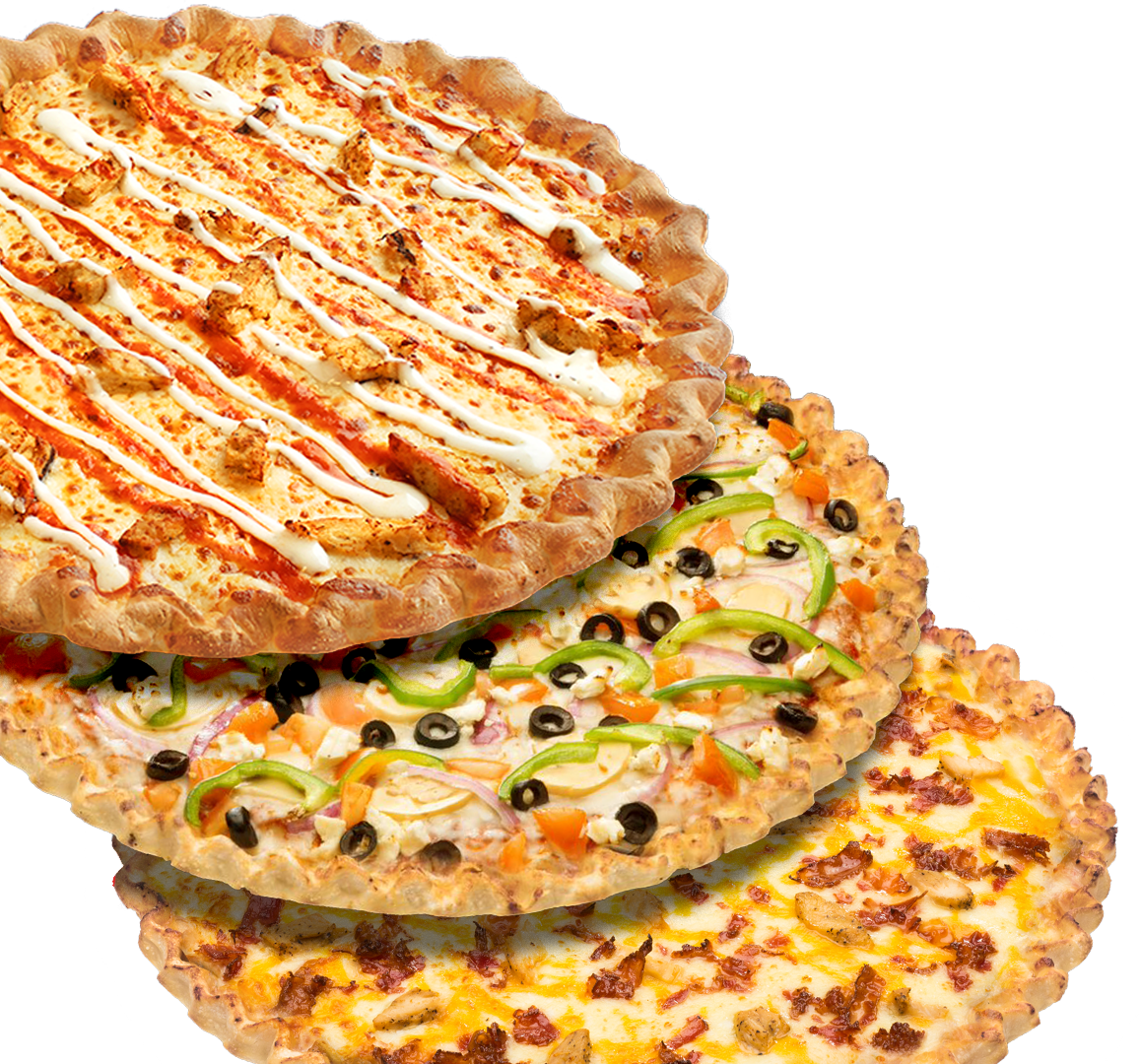
This is where a full menu does the work. Order a Hawaiian-style pie for the pineapple fans and a pepperoni or a Deluxe for the holdouts, and the argument evaporates. Add a Veggie Supreme for the non-meat-eaters and a salad or wings for variety, and you have a spread that ends every topping standoff at once.
The principle scales to any group disagreement, not just pineapple. A pizza-and-wings person, a salad eater, a pineapple loyalist, and a purist can all be happy from one order when the menu is wide enough. The debate is only unwinnable when you treat it as one pizza, one answer. Treat it as a spread, and everyone wins.
A practical tip for the mixed table: order pineapple as its own pie or as half a pie rather than scattered across a shared pizza. That way the fans get their full Hawaiian experience and the skeptics keep their slices fruit-free, with no negotiating over the topping line down the middle. Half-and-half pies exist precisely for standoffs like this, and they turn the argument into a non-issue before the first slice is even served.
What are the best toppings to pair with pineapple?
The best pairings for pineapple on pizza are salty, savory ingredients that play off its sweetness, with ham and bacon the classics. The contrast is the entire appeal, so toppings that lean salty and rich balance the fruit best.
Ham is the traditional partner, the original Hawaiian combination, and the salt-and-sweet pairing is what made the pie famous. Bacon pushes the same direction with more smoke and fat. Some fans add jalapeño for a sweet-heat combination, letting the pineapple’s sweetness offset the pepper’s bite.
If you are building your own version, the logic is balance. Pineapple brings sweetness and acidity, so pair it with something salty and savory rather than something else sweet. That is the same balance principle behind any good pizza, and it is why the Hawaiian combination has lasted despite the decades of arguing about it. Red onion is another common addition, adding a sharp bite that rounds out the sweet, salty, and savory into something more complex than the classic two-topping version.
How do you make pineapple pizza taste better?
The trick to a good pineapple pizza is controlling the moisture and balancing the sweetness, which addresses the two biggest criticisms head-on. Done with care, the pie answers most of what its detractors complain about.
Start with the pineapple itself. Drain canned pineapple well, or pat fresh pineapple dry, so the topping does not flood the pie as it bakes. Cut the pieces small enough to distribute evenly rather than dropping large wet chunks that steam under the cheese. These small steps go a long way toward keeping the crust crisp instead of soggy.
Then balance it. Pair the pineapple with something salty and savory like ham or bacon so the sweetness has a counterweight, and do not overload the pie with fruit. A measured amount of pineapple reads as a bright accent. A pile of it tips the whole pizza toward dessert. Get the moisture and the balance right, and even some skeptics come around, because the version they disliked was usually the careless one.
Why pizza night brings out strong opinions
Pizza brings out strong opinions because it is one of the most personal comfort foods there is, tied to family traditions, childhood favorites, and strong habits. The pineapple debate is heated for the same reason any food argument is: people are defending their own taste and memories, not just a topping.
That is also why the debate is fun rather than serious. Nobody is truly harmed by someone else’s pineapple preference, and the back-and-forth is part of the ritual of ordering pizza with other people. The argument is a feature of pizza night, not a problem to be solved.
Rascal House has been on the other side of these debates for 45 years, the hometown spot where Cleveland groups hash out their topping disagreements over a shared order. Since 1980, founded by Mike and Fouly Frangos across from Cleveland State, the full menu has been the peacemaker, recognized by the Cleveland Plain Dealer as “Cleveland’s Best Pizza,” wide enough that the pineapple fans and the pineapple haters can eat from the same delivery.
So is the debate settled? In the only way it can be: pineapple belongs on pizza for the people who like it, and off pizza for the people who do not. The real answer is to order a second pie and let everyone enjoy their own. That is the one ruling both sides can live with.
If there is a lesson buried in the silliest food argument on the internet, it is that taste is allowed to differ, and the best response to a divided table is not to win but to order generously. The pineapple debate has raged for half a century with no victor, and it never will have one, because there was never a fact to settle, only preferences to respect. Order the Hawaiian, order the pepperoni, and pass both around. That is how Cleveland has done pizza night for 45 years.
Join the Rascal VIP Club
BECOME A VIP!
Get insider deals, first looks at new menu items, and members-only offers straight to your inbox.
Order from Rascal House
Cleveland’s hometown pizza shop has been here since 1980. Hand-tossed pizza, wings, subs, salads, burgers, wraps, everything you want from one trusted kitchen, no topping arguments required.
Order Online · Find Your Nearest Location · View the Menu
Frequently Asked Questions
Who invented Hawaiian pizza?
Hawaiian pizza was invented in Canada in the 1960s by Sam Panopoulos, a Greek-born restaurateur, at his restaurant in Ontario. He added canned pineapple and ham to a pizza and named it after the pineapple brand, not the state.
Is pineapple on pizza actually good?
Whether pineapple on pizza is good comes down to personal taste. Fans love the sweet-and-savory contrast of pineapple against salty cheese and ham, while critics dislike warm fruit on a savory dish. Neither side is objectively right.
Why do people put pineapple on pizza?
People put pineapple on pizza for the sweet-and-savory balance, since the fruit’s sweetness and acidity contrast with the salt of the cheese and meats. The acidity also cuts through the richness of the cheese, which fans find brightens the whole pie.
What goes well with pineapple on pizza?
Salty, savory toppings pair best with pineapple, with ham and bacon the classics. Some fans add jalapeño for a sweet-and-spicy combination. The key is balancing the pineapple’s sweetness with something rich and savory.
Does pineapple make pizza soggy?
Pineapple releases moisture as it bakes, which is a common criticism, though proper preparation and the right amount keep it from making the pie watery. Draining canned pineapple well before baking helps reduce excess moisture.
How do I settle a pineapple pizza argument?
The simplest fix is to order more than one pizza so the pineapple fans and the critics each get what they want. A full-menu order with a Hawaiian-style pie, a pepperoni or Deluxe, and a salad or wings ends the debate without anyone settling.